


No-Till Agriculture
For those who don’t know, tilling is when we prep and cultivate the land for agriculture. Tilling can be as small-scale as manually breaking up the dirt with a hoe to as big as driving a tractor with big discs through hundreds of acres. Most farmers and gardeners think of tilling as a necessary first step to growing food.
But tilling the soil can lead to numerous problems, like runoff (when water runs off the soil instead of being absorbed into it, often taking important nutrients or toxic chemicals with it), soil degradation, nutrient depletion and erosion. As we all know, caring for the land is essential to be able to grow food in the same area for many years.

Quality soil influences plant growth. Nitrogen, potassium, phosphorus, water, and microbial content of the soil impact the growth and success of the plants. The land naturally has the ability to hold water, maintain nutrients, and successfully grow plants. However, when the land is tilled, these natural systems are disrupted, resulting in a reduction of soil quality.
Why? Because when we break up the soil, we take the top layers where all the leaves and dead plants have fallen and flip that underneath. We expose the water and microorganisms to the sun, where they burn up or evaporate. We destroy the natural pores that worms and roots have created in the soil. And we loosen up all that precious, nutrient-dense topsoil to the point where wind and rain can literally carry it away.
Components of Quality Soil:
Texture/Porosity: Soil texture is determined by the content of sand, silt, clay, and organic matter. The size of the particles and the space between them determines how much air and water the soil can hold. Tilling breaks up the land, disrupting the soil's natural ability to hold water. When the land cannot hold moisture, gardens dry out, and more frequent watering is required .Since Red Lake is in a drought this summer, it is especially important to retain all that water we give to our plants!
Nutrients: Essential for plant growth, nutrients are absorbed from the soil through the roots. The majority of the plant-available nutrients in the soil exist in the topsoil. Soil nutrient levels can only be sustained if the top layer of soil is kept in its natural state, rather than being turned under when tilling occurs.
Microbes: Microorganisms are responsible for the use of nutrients within the soil. Not only are they important for nitrogen fixation and root health, but they also provide natural weed suppression. Reducing weed growth, in turn, reduces the need to till the land. Tilling exposes those microorganisms to sunlight, where they die.
Benefits of No-Till Gardening
Less erosion caused by wind and water
Less time, cost, and fuel -- no need to break a sweat or rent a roto-tiller!
Less weed growth, since tilling bring dormant seeds to the surface
Maintains soil structure and nutrient levels
More water retention in the soil, resulting in less wasted water
DIY: No-Till at home garden method
Unfold a large carboard box...or several if you have a large garden
Lay the cardboard flat over the designated garden space
Cover with 2-3 inches of compost or other soil amendment
Generously wet with a hose to ensure the cardboard won't blow away
Water every 2-3 days
Wait 2-3 months before planting
Plant directly into the cardboard/compost layer
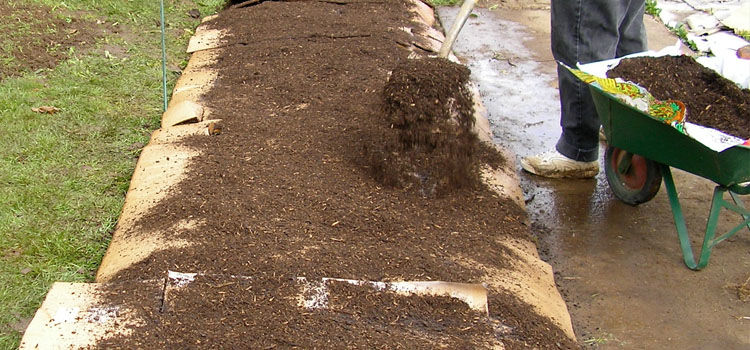
The cardboard and compost will break down before planting occurs. The cardboard is used to kill any existing plants and suppress future weed growth. The compost provides nutrients for plant growth, while softening the top layer of soil, decreasing a need to till the land.
Although we are all used to tilling our gardens by now, the truth is that the soil already has a natural cycle. Plants and animals die on top of the soil and decompose, leaving rich topsoil behind that is slowly processed by the microorganisms in the soil. By planting with cardboard and compost on top of that soil, we leave it intact, the way it was intended to be, and without loosening up that topsoil to erosion. It might feel unnatural at first, but it is just as effective of a way to plant your garden without altering the soil's natural state. In the long run, you will save a lot on fertilizer and weeding and water if you give it a try.


Comments